Pelion

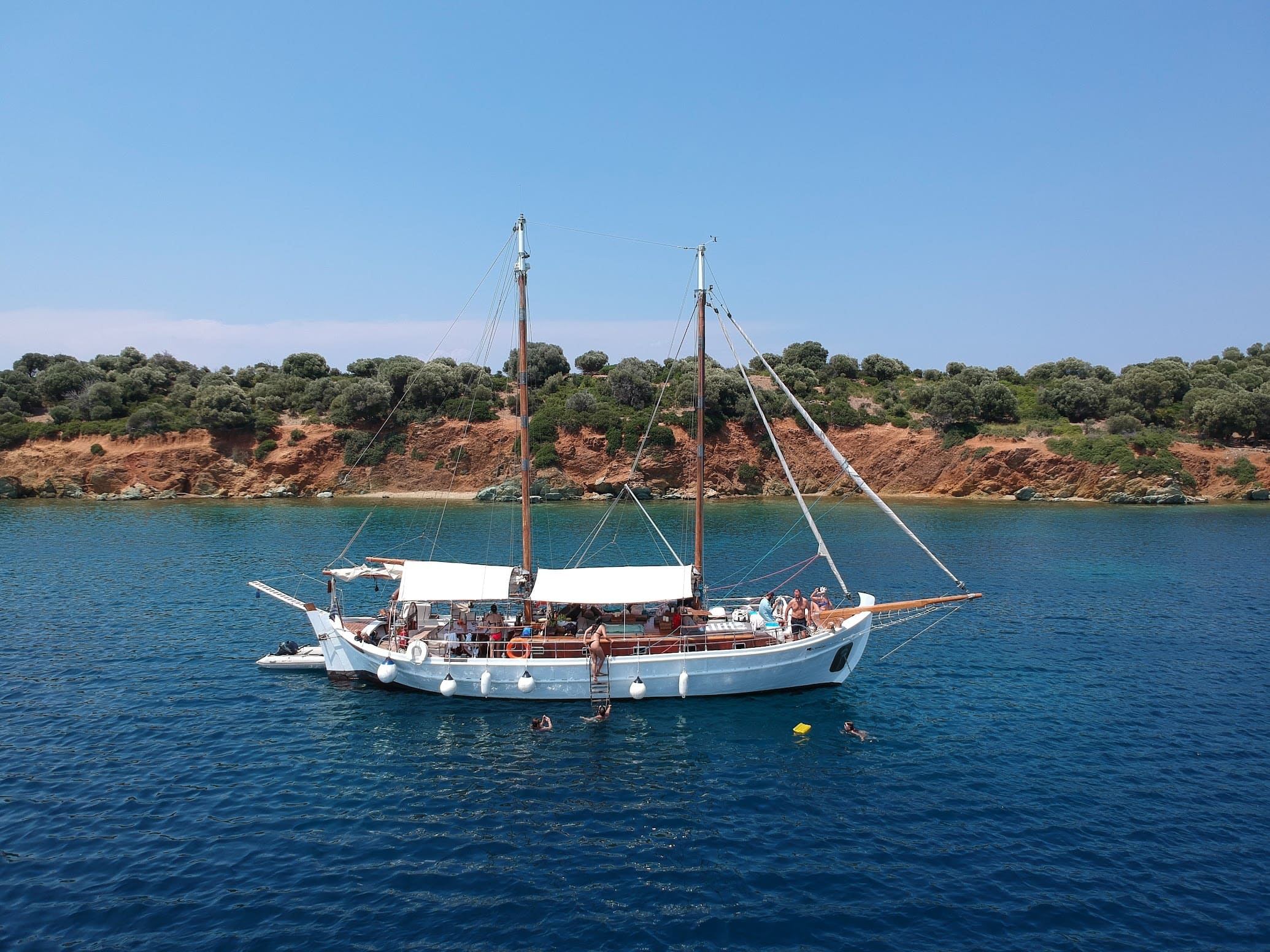
A mythical mountain overlooking the Pagasitikos Gulf from one side and the Aegean Sea from the other. Here stone villages meet quiet beaches, old traditions live on, and summer evenings unfold around good food, local wine, and music.

Destination

Mount Pelion travel guide begins with a place where mythology and everyday life seem to share the same landscape.

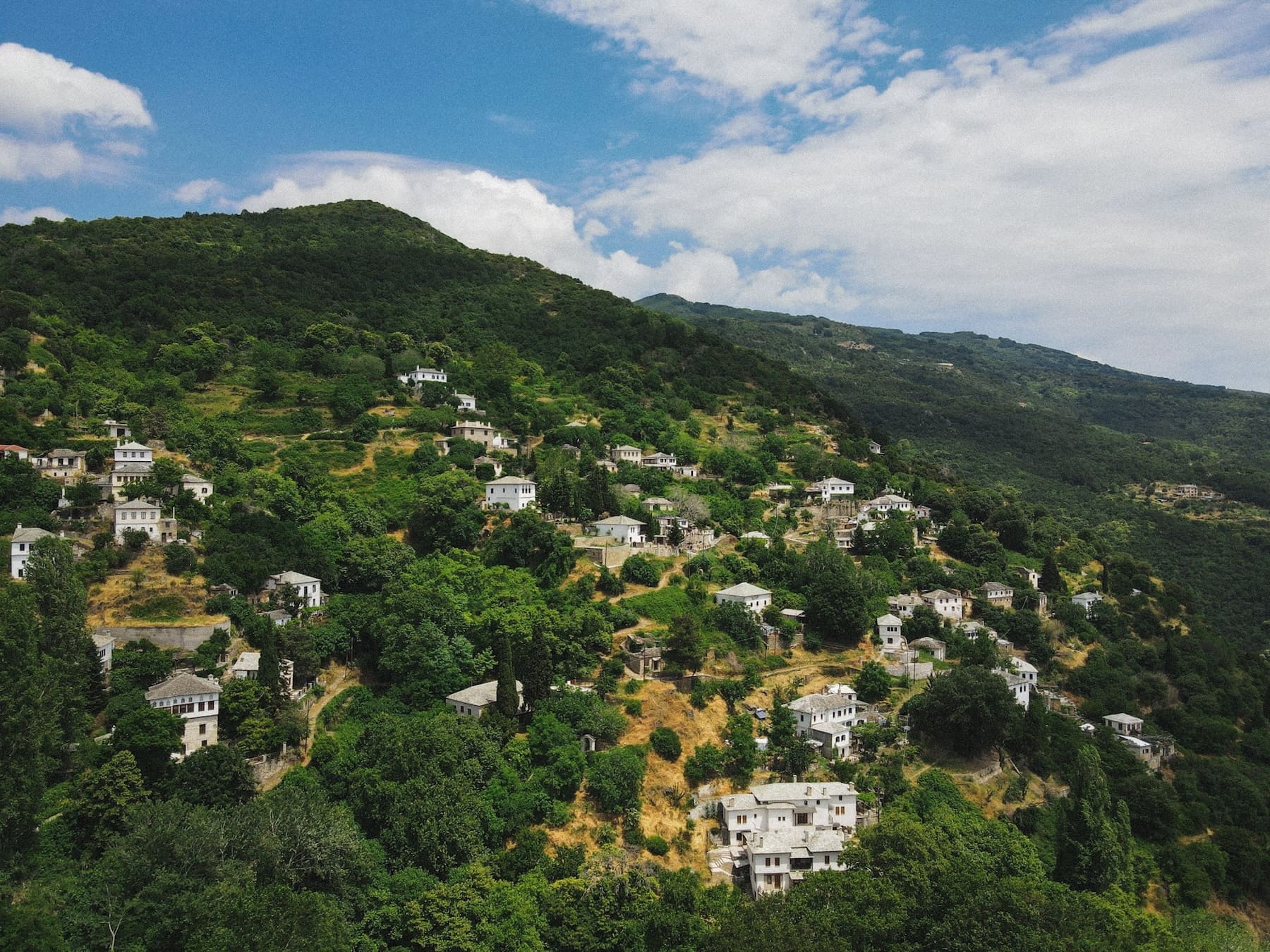
Rising just outside Volos, Pelion stretches along the eastern coast of mainland Greece, with the Sporades islands visible across the Aegean on clear days. According to Greek mythology, the mountain was home to the Centaurs and the legendary centaur Chiron, who taught heroes such as Achilles and Jason. Today, its forests, stone villages, and winding roads still give the landscape a timeless feeling.

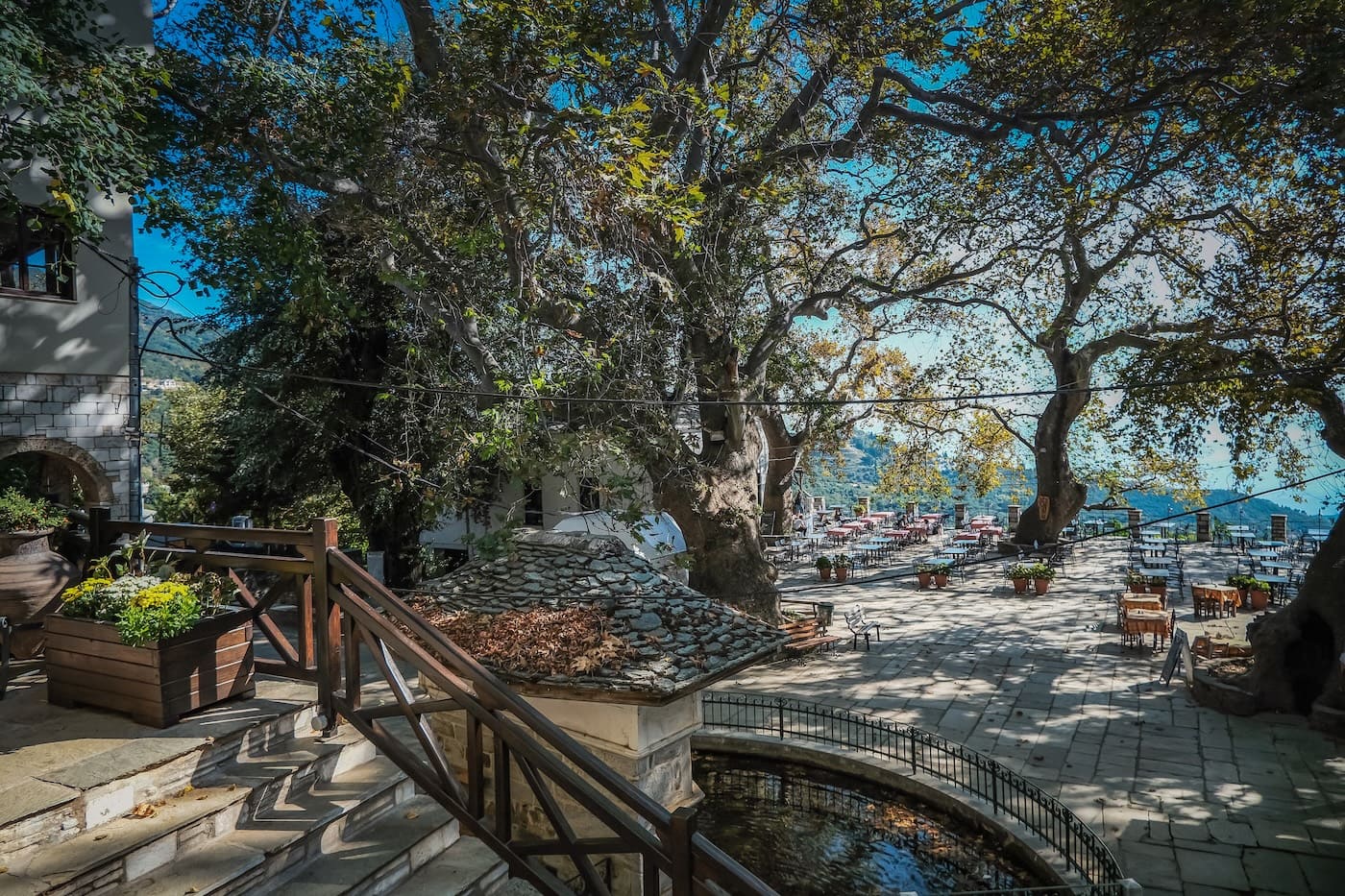
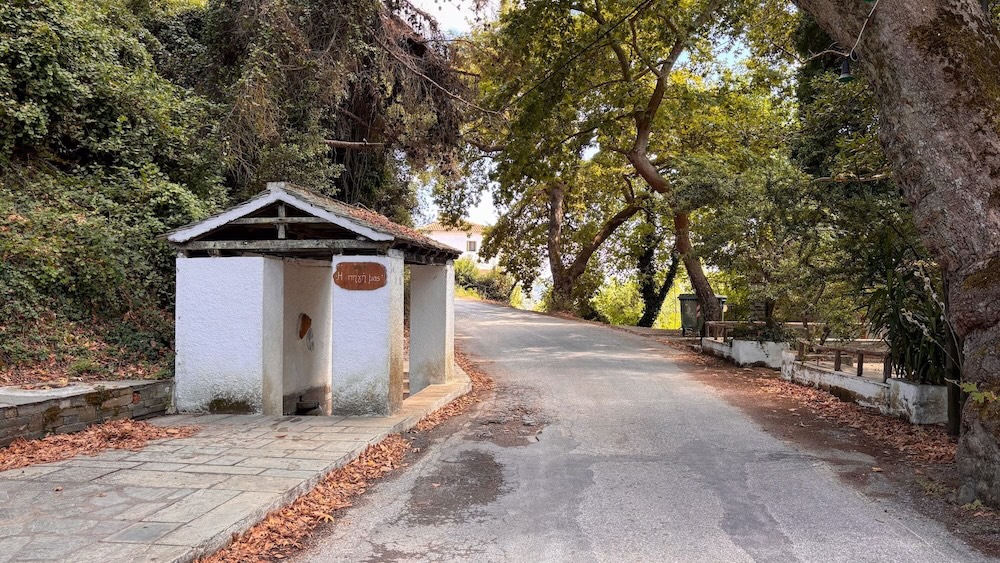
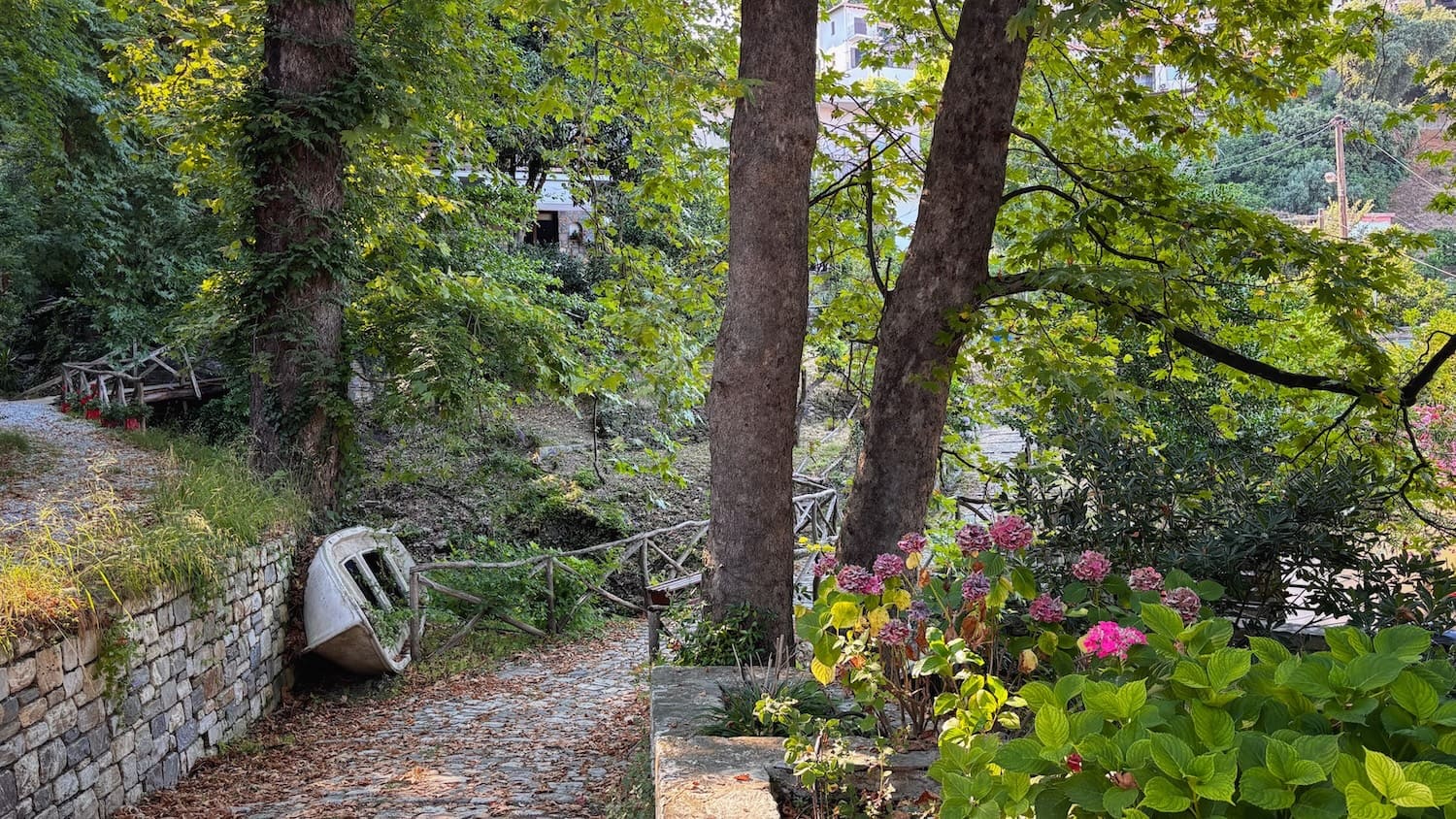
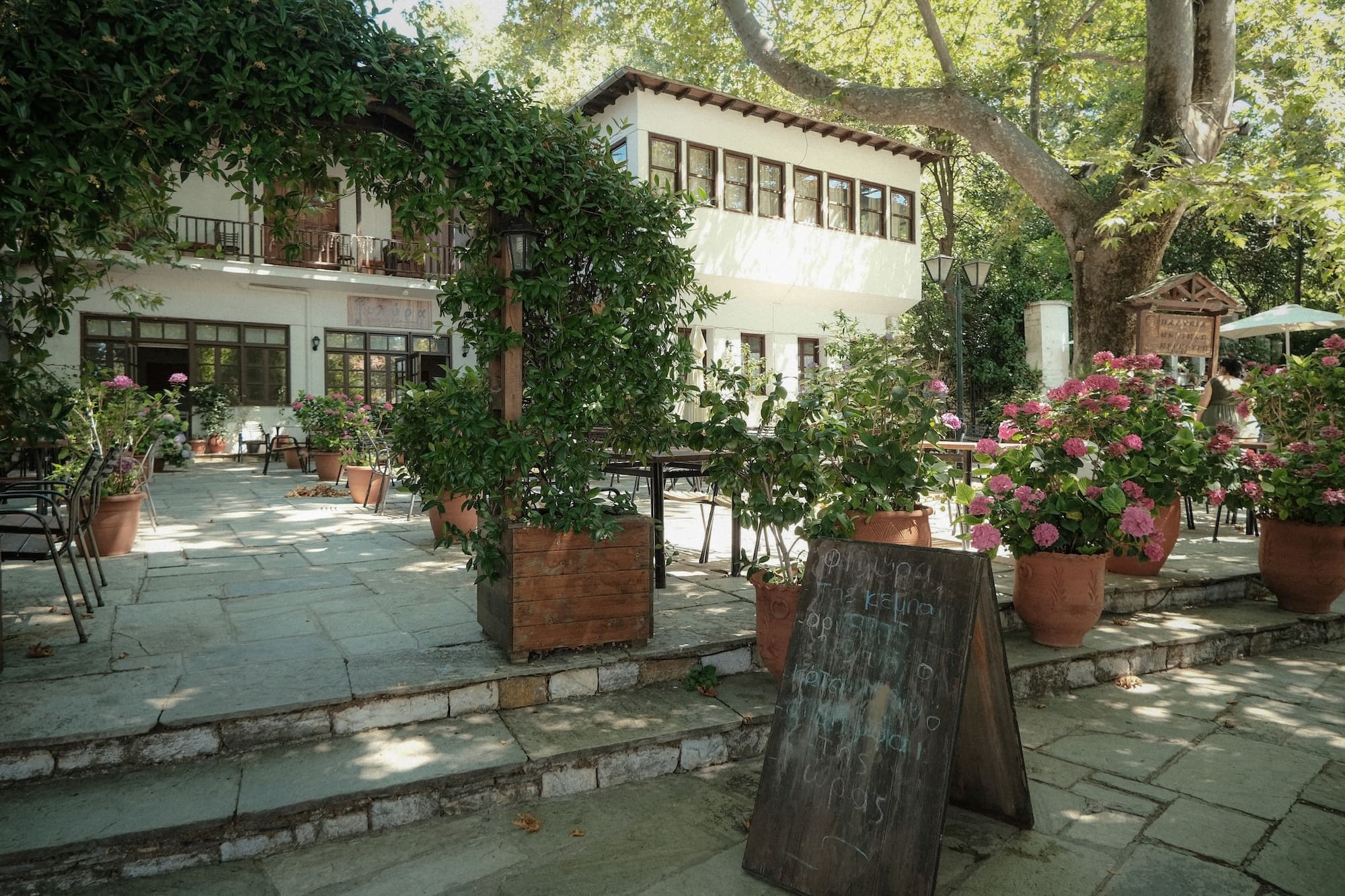
Pelion is one of those rare places where you can spend the morning swimming in clear blue water and the afternoon hiking through dense forests or wandering through a peaceful mountain village. Traditional stone houses, old fountains, chestnut forests, and narrow paths connect villages that have preserved much of their character.

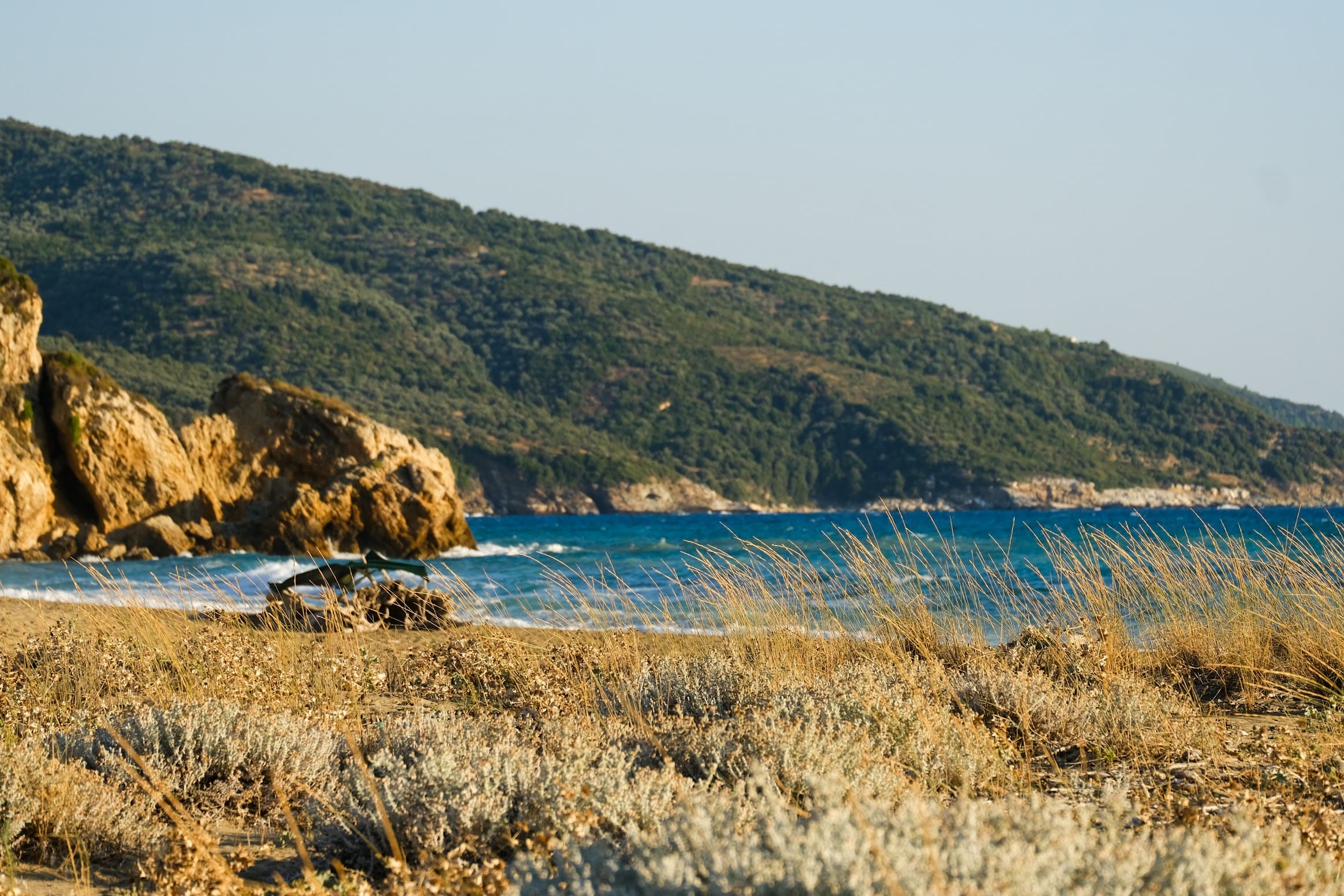
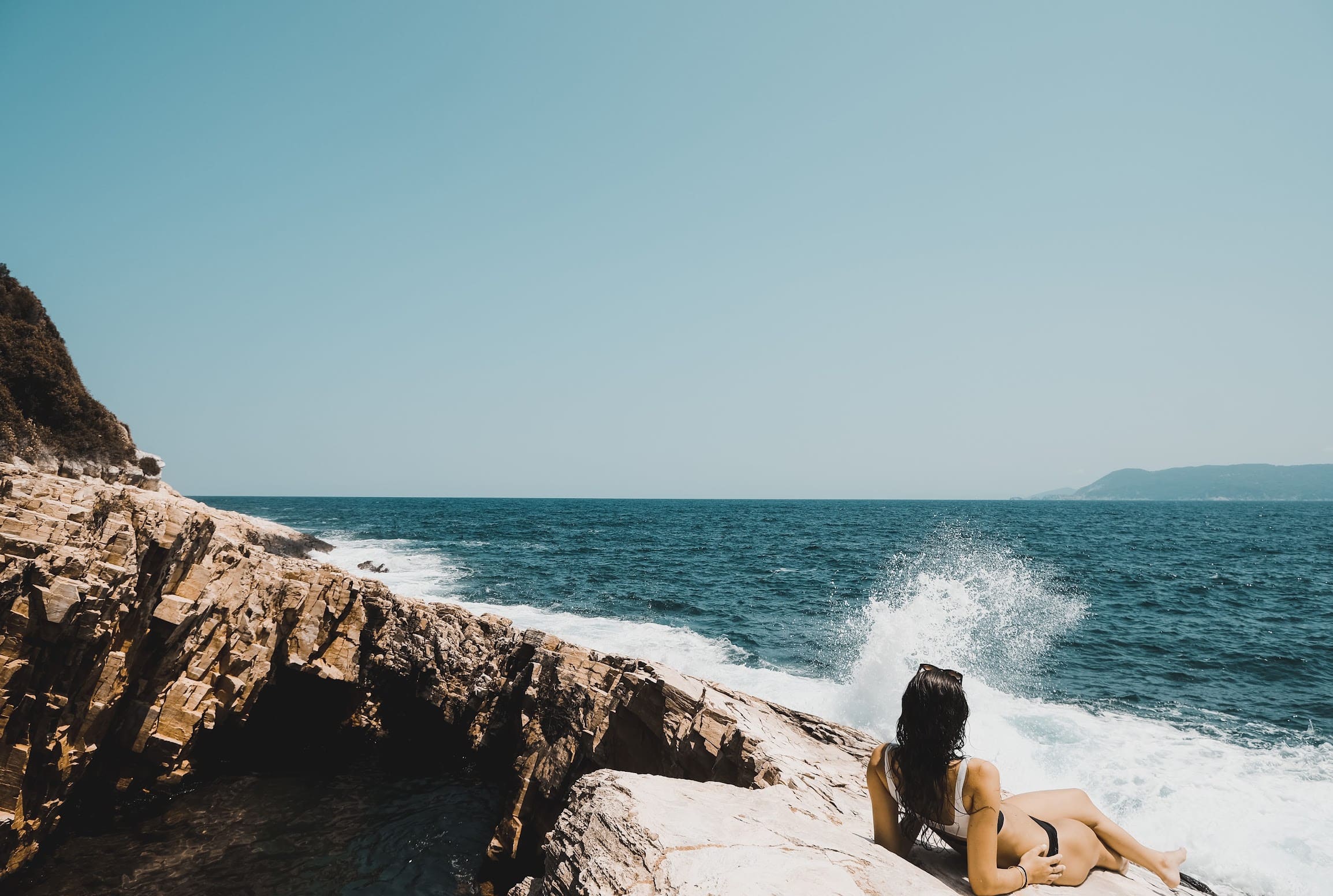
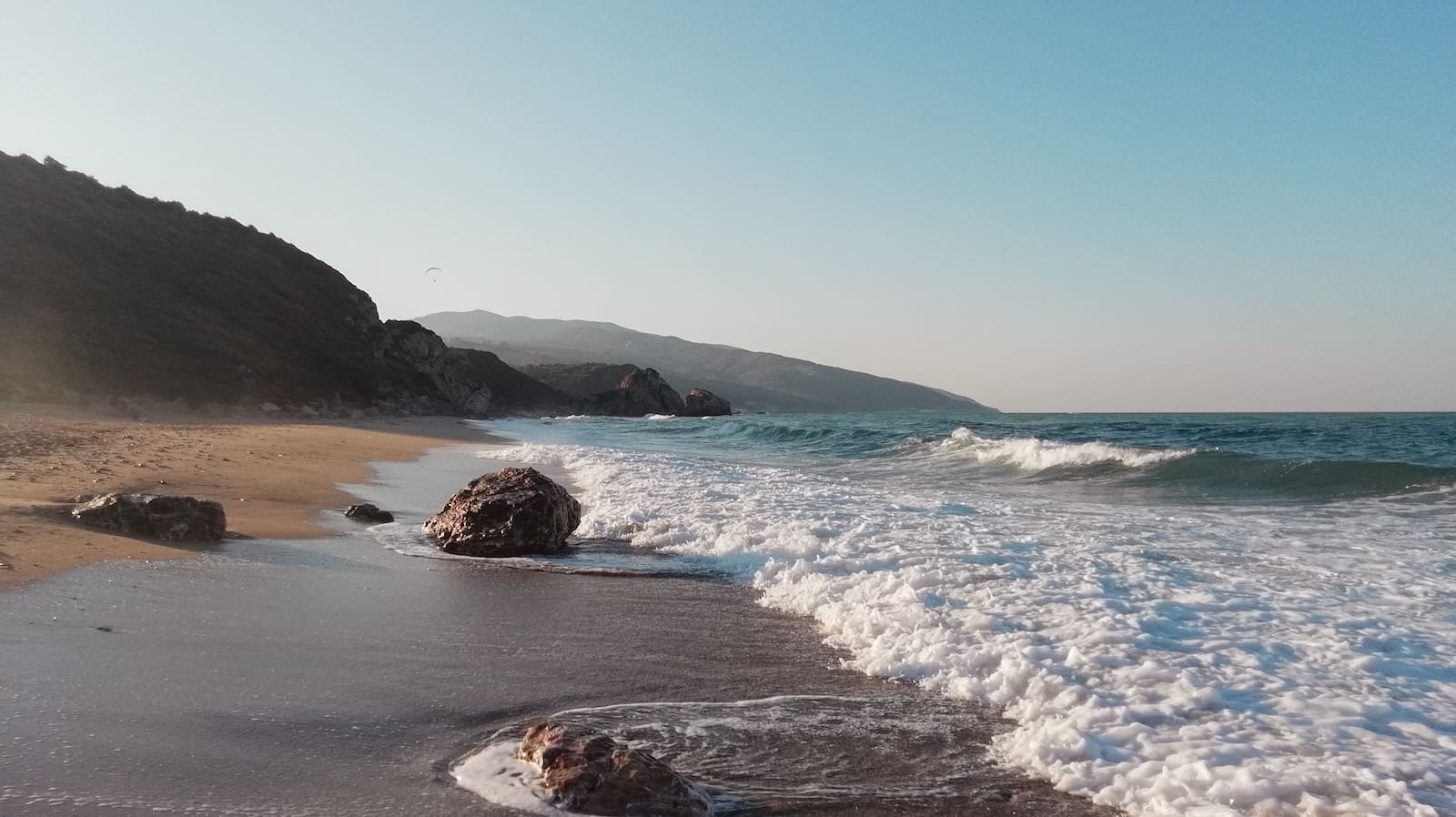
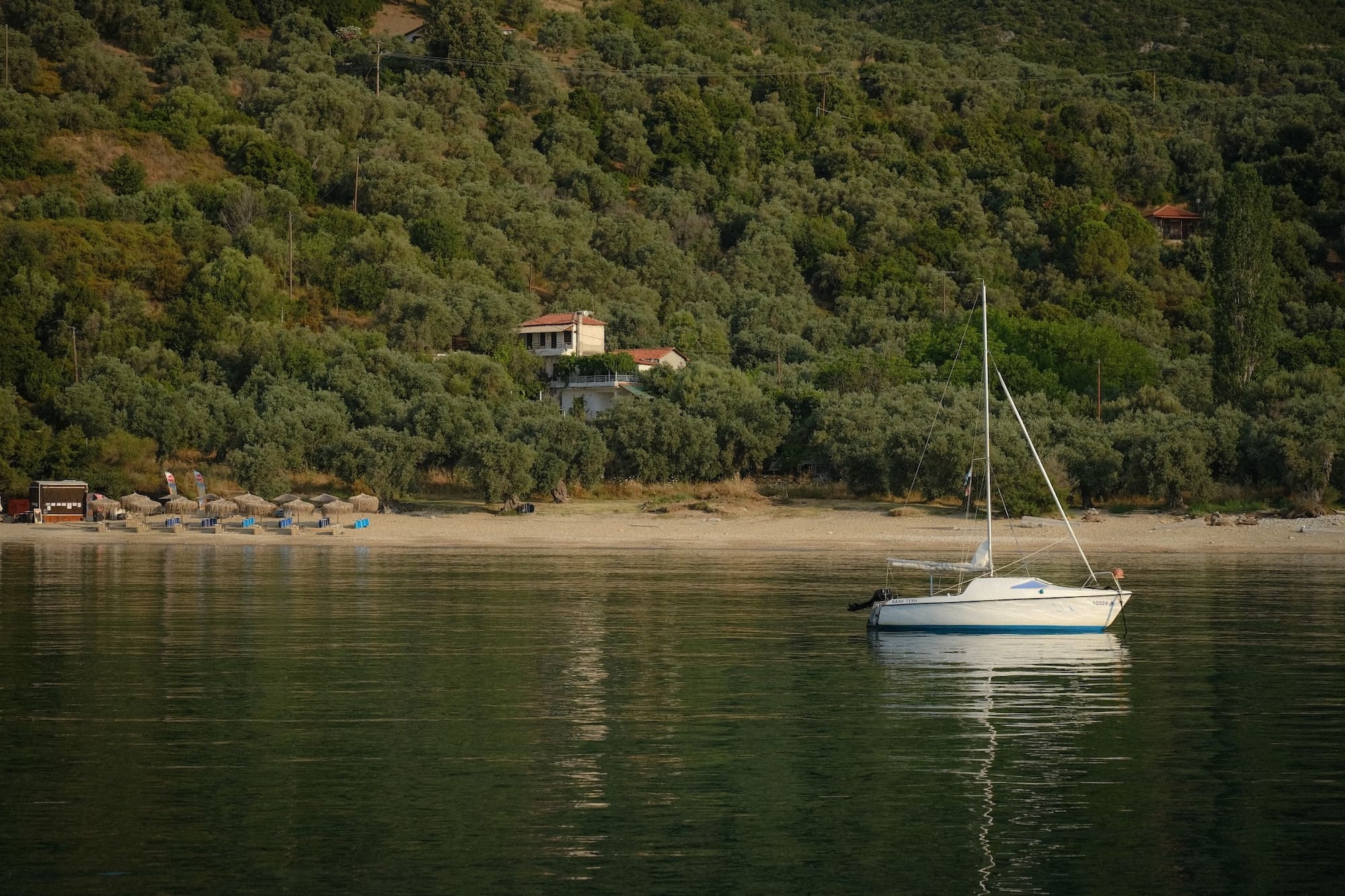
The coastline brings another side of Pelion, with beaches hidden between green slopes and the deep blue of the Aegean. Inside the villages, life revolves around local produce, olive oil, fresh fish, seasonal dishes, and long meals that seem to have no reason to end.

COORDINATES

39°22’54.5″ N | 23°7’23.2″ E
 

THINGS TO DO ON
MOUNT PELION

  • Explore the traditional mountain villages

    Wander through Makrinitsa, Portaria, Zagora, Milies, and Tsagarada. Each village has its own character, with stone houses, old mansions, leafy squares, and mountain views stretching toward the sea.

  • Hike through Pelion’s forests and old paths

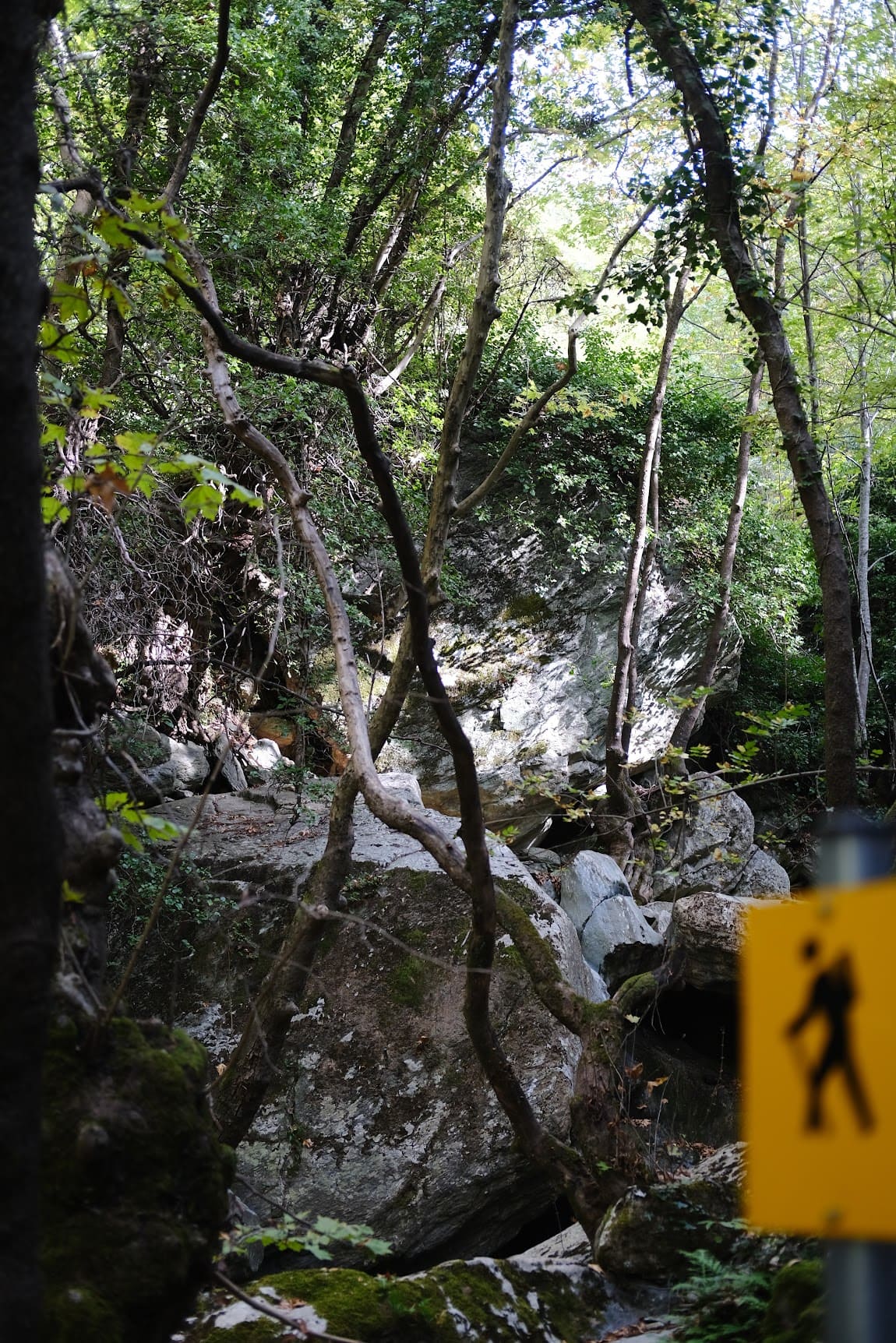
    Follow the network of old stone paths, known as kalderimia, connecting villages through chestnut and plane forests. There are routes for different levels, from gentle walks to longer hikes with beautiful views over the Aegean.

  • Spend a day at Pelion’s beaches

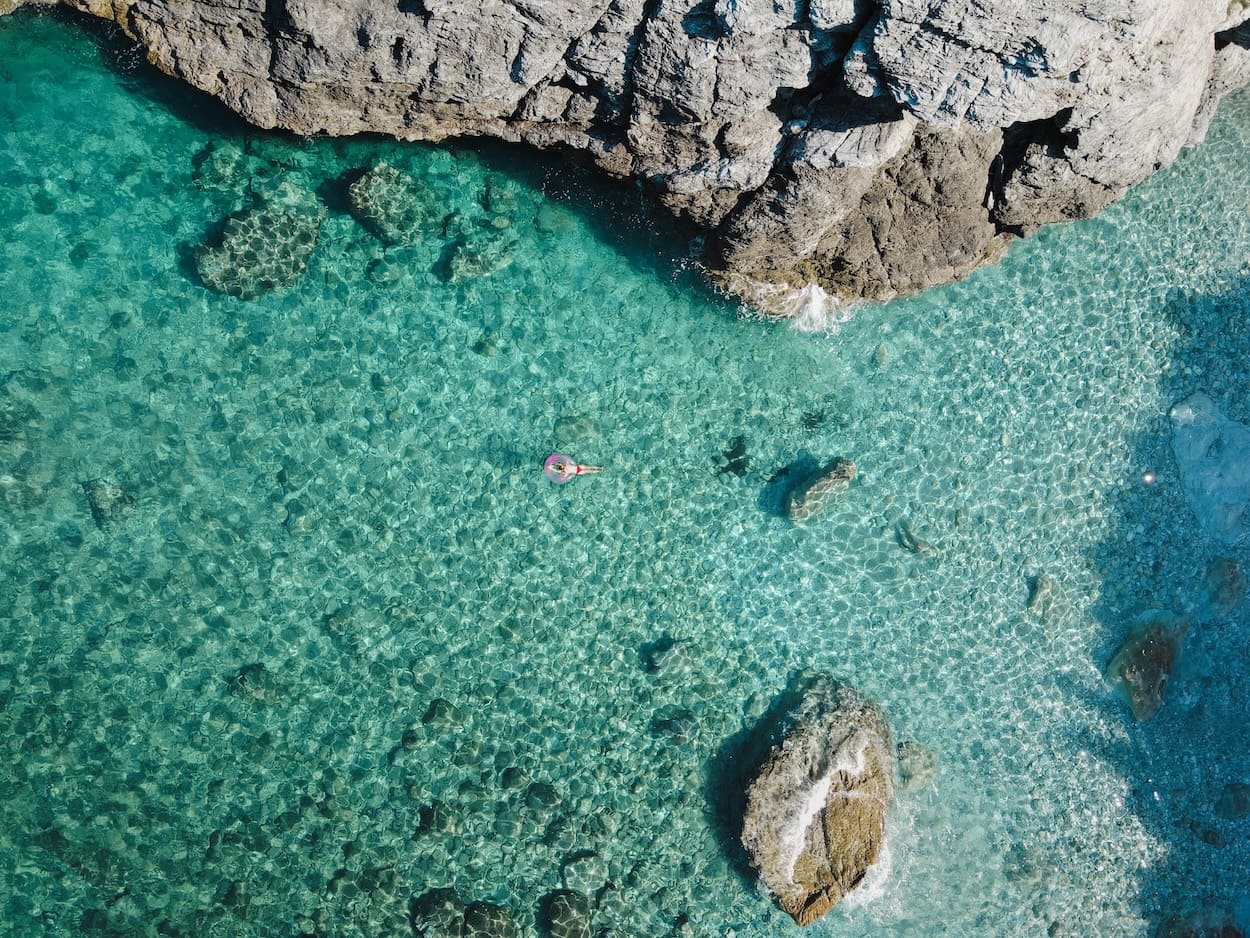
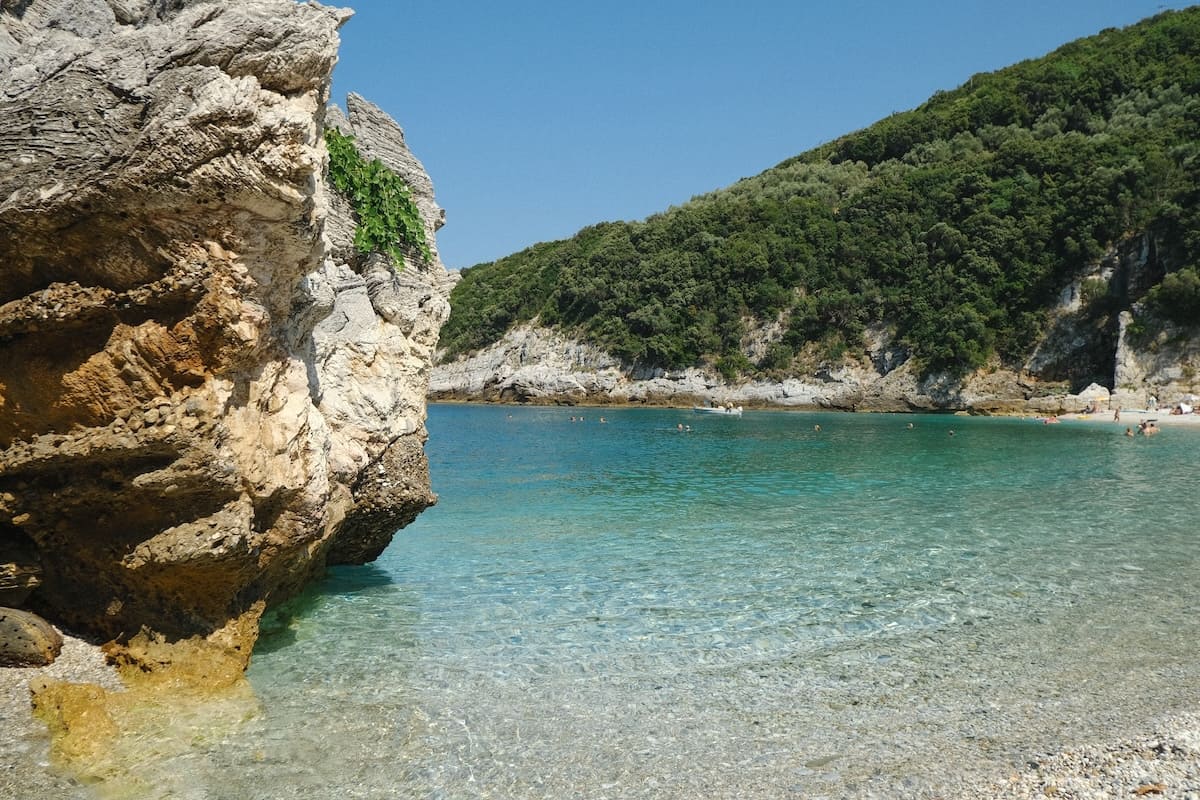
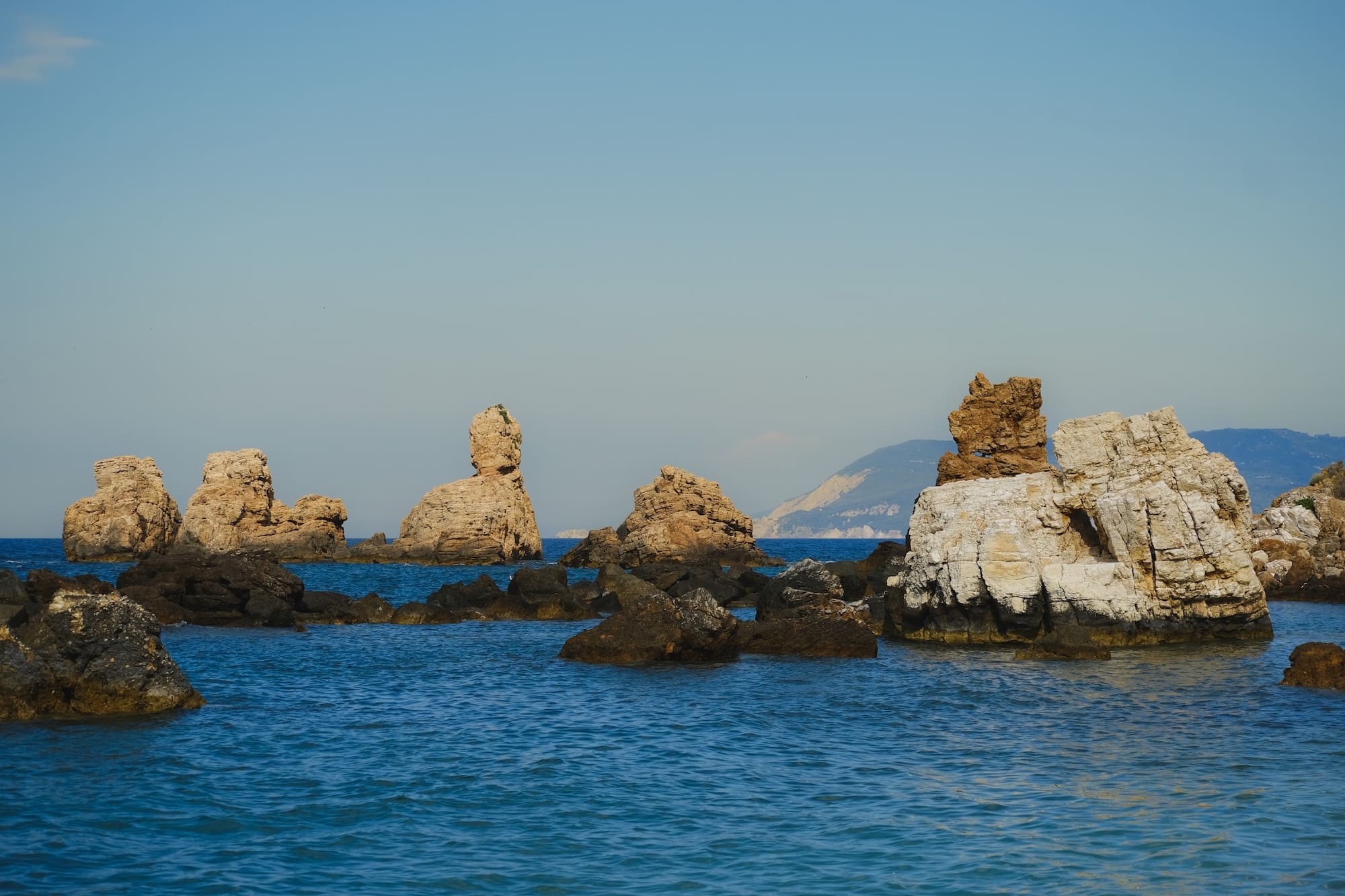
    Drive down through the forest to discover some of the most beautiful beaches in the region. Mylopotamos, Fakistra, Damouchari, Agios Ioannis, and Agioi Saranta all offer a different experience, from dramatic rock formations to long stretches of clear water.

  • Enjoy a long Greek meal

    Try local specialties made with seasonal ingredients, fresh fish from the Aegean, homemade pies, grilled meats, and dishes prepared with Pelion’s own olive oil. Don’t rush dessert or the coffee that follows.

  • Experience a summer village festival

    During the summer months, villages across Pelion come alive with traditional celebrations, music, dancing, and plenty of food. Join a panigiri and experience a side of Greece that feels much more local than the typical tourist evening.

  • Ride the historic train from Milies

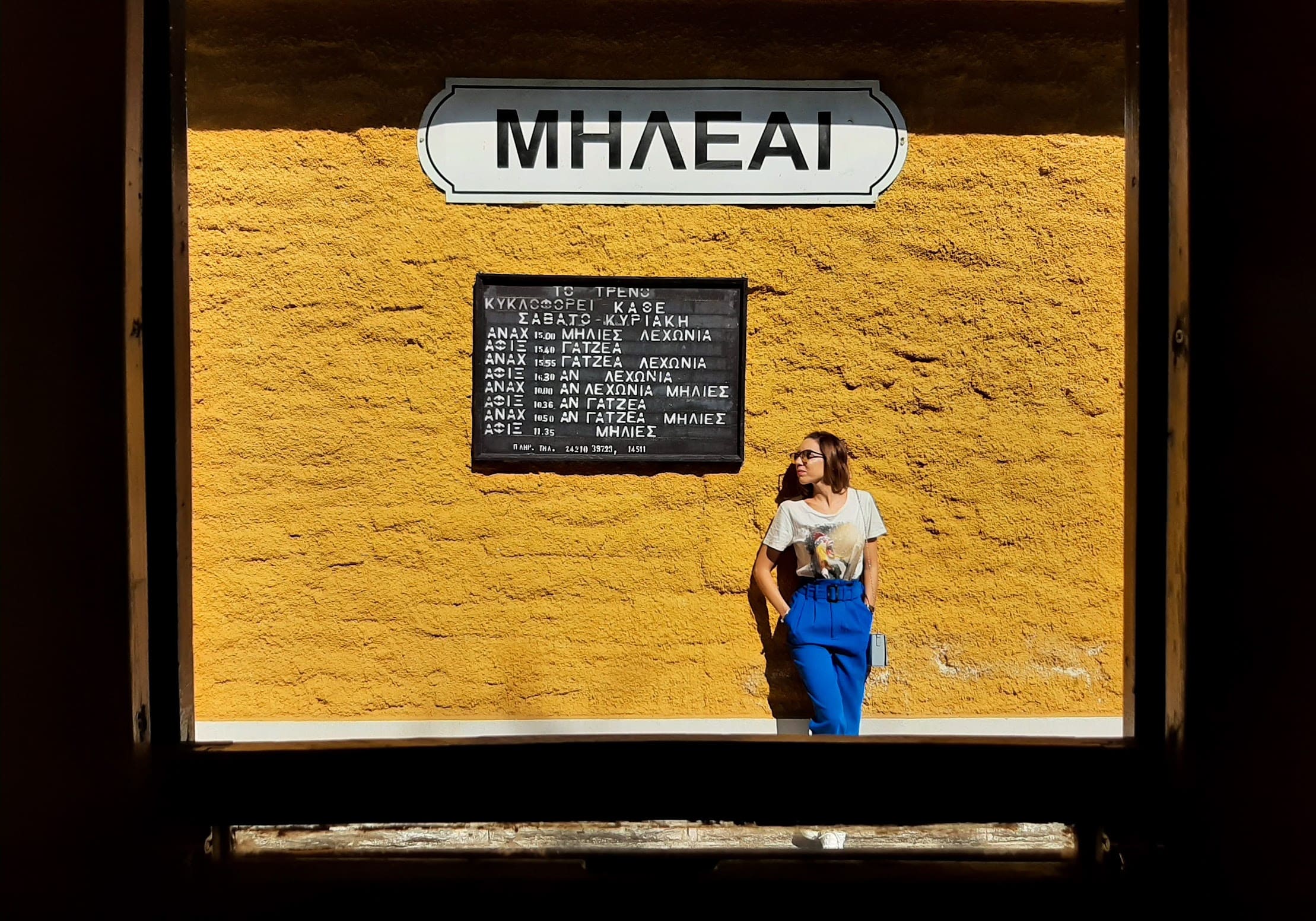
    The legendary Moutzouris train travels through the mountains between Ano Lechonia and Milies, crossing old bridges and passing through lush scenery. It is a charming way to experience Pelion’s landscape and history.

  • Taste Pelion’s local products

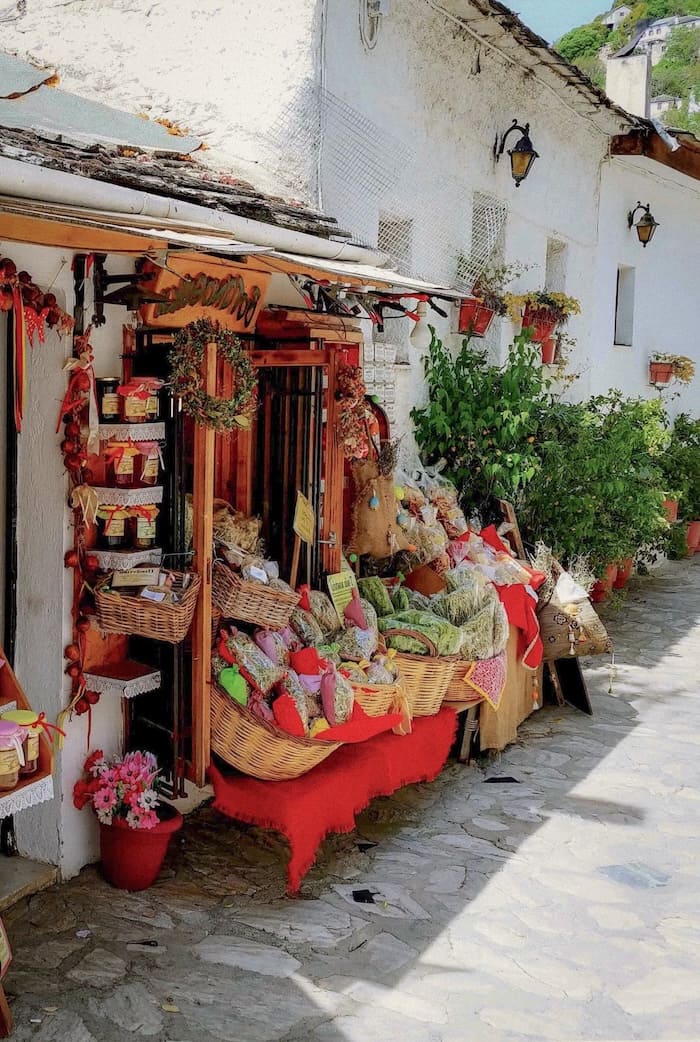
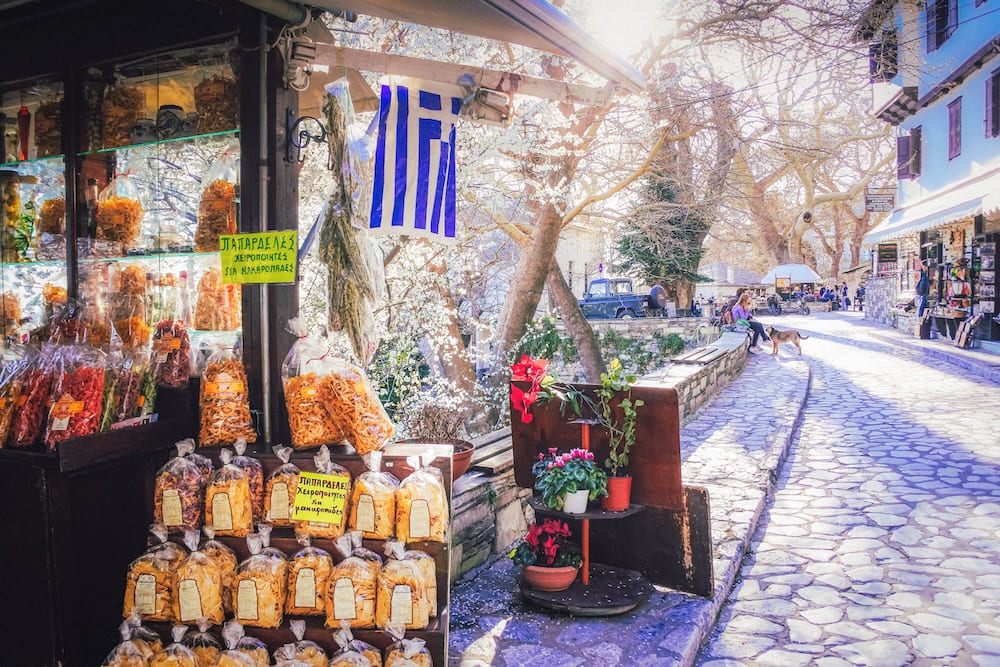
    Look for local olive oil, honey, apples from Zagora, chestnuts, herbs, and the famous Pelion spoon sweets. The mountain’s gastronomy is closely connected to its landscape and seasons.
WHEN TO VISIT
pelion

If your plans revolve around beaches, hiking, villages, and outdoor experiences, May to October is the best period to explore Pelion. 

June and September offer a particularly good balance, with warm weather, pleasant sea temperatures, and fewer visitors than the peak summer months.

July and August bring the liveliest atmosphere. This is also when many villages host their traditional panigiria, with music, dancing, local food, and celebrations that often continue late into the night.

May and October are beautiful choices for a quieter experience. The mountain is greener and more peaceful, while the villages return to their slower rhythm.

Want to explore Mount Pelion? Get in touch for some insider tips, or let me know if you'd like a local guide

Back To Top
Theme Mode